

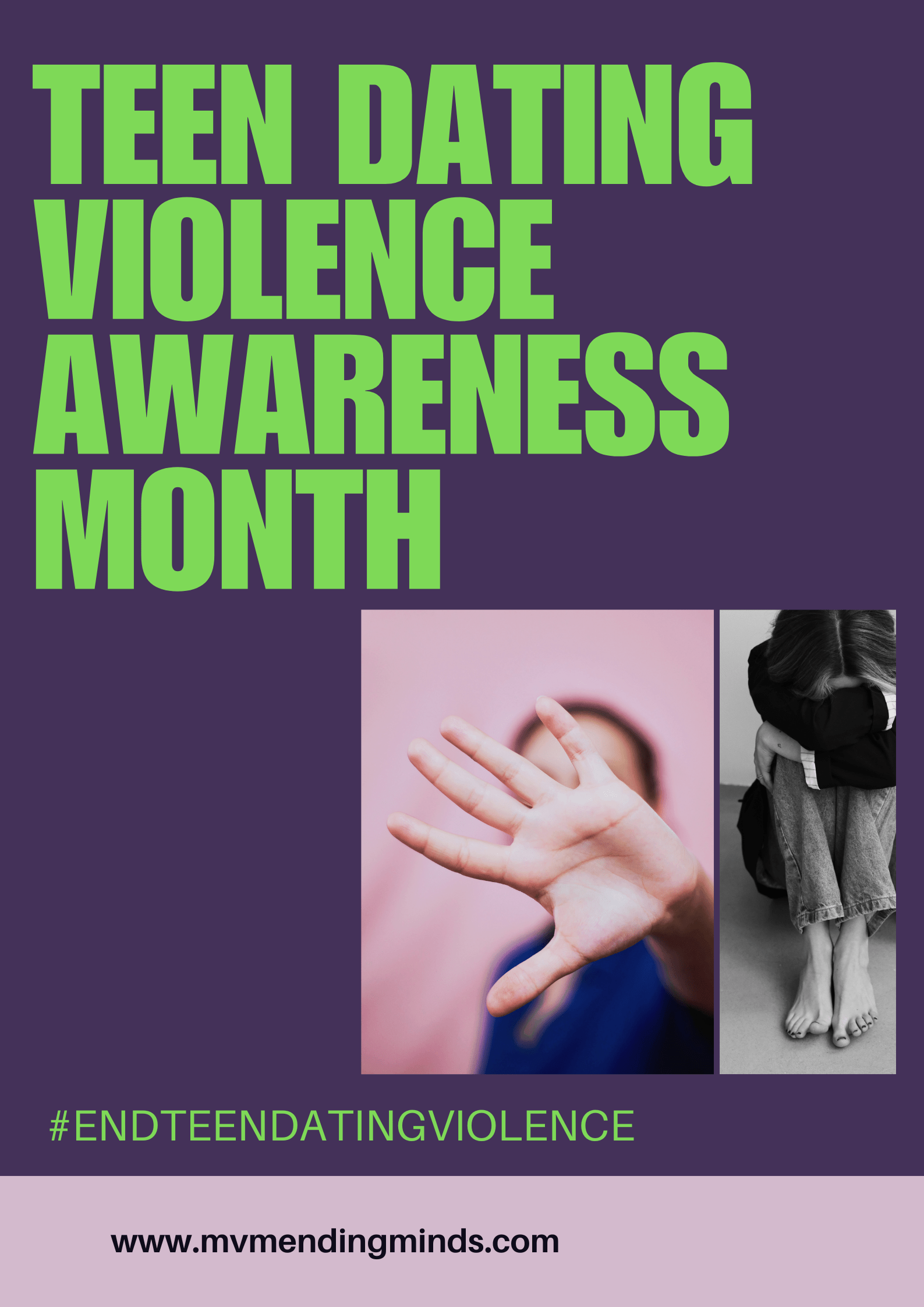
Teen Dating Violence Awareness: Understanding the Signs, Impact, and How We Can Help


Teen dating is often seen as a normal part of growing up—a way for young people to explore relationships, emotions, and connection. However, not all teen relationships are healthy. Teen dating violence is more common than many realize, and its effects can be long-lasting, especially on mental and emotional well-being.
Teen Dating Violence Awareness Month exists to educate, prevent harm, and remind teens and adults alike that love should never hurt.
What Is Teen Dating Violence?
Teen dating violence refers to a pattern of abusive behaviors used by one partner to gain power or control over another. It can happen in any relationship, regardless of gender, background, or orientation.
Dating violence is not limited to physical harm. It often includes:
- Emotional or verbal abuse
- Controlling behaviors
- Excessive jealousy or monitoring
- Isolation from friends or family
- Threats, intimidation, or manipulation
- Sexual pressure or coercion
- Digital abuse through texts, social media, or location tracking
Because these behaviors may be subtle or normalized, many teens don’t recognize them as abuse.
Why Teen Dating Violence Is a Mental Health Issue
Experiencing dating violence can significantly impact a teen’s mental health. Teens who are in abusive relationships are at higher risk for:
- Anxiety and depression
- Low self-esteem
- Chronic stress
- Academic difficulties
- Social withdrawal
- Trauma-related symptoms
- Increased risk of substance use
Without support, these emotional effects can continue into adulthood and influence future relationships.
The Warning Signs to Look For
Parents, caregivers, educators, and trusted adults play a vital role in early intervention. Some warning signs that a teen may be experiencing dating violence include:
- Sudden changes in mood or behavior
- Withdrawing from friends or activities they once enjoyed
- Constantly checking in with a partner or fear of upsetting them
- Declining grades or loss of interest in school
- Unexplained anxiety, sadness, or irritability
- Justifying or minimizing a partner’s harmful behavior
These signs should never be ignored or dismissed as “normal teen drama.”
The Importance of Trusted Adults
One of the most powerful protective factors against teen dating violence is a trusted adult relationship. Teens are more likely to seek help when they feel heard, believed, and supported.
If a teen opens up:
- Listen without interrupting or judging
- Validate their feelings
- Avoid blaming or pressuring them
- Encourage professional support when appropriate
Creating a safe space for honest conversation can make a life-changing difference.
Teaching What Healthy Relationships Look Like
Prevention starts with education. Teens deserve to know that healthy relationships are built on:
- Mutual respect
- Clear boundaries
- Open communication
- Emotional safety
- Equality and consent
When teens understand what healthy love looks like, they are better equipped to recognize when something isn’t right.
How MV Mending Minds Can Help
At MV Mending Minds, we believe no one should face emotional pain or abuse alone. Mental health support can help teens process their experiences, rebuild confidence, and learn healthy relationship skills.
Early support not only promotes healing—it prevents long-term emotional harm.
Final Thoughts
Teen dating violence is a serious issue, but awareness leads to prevention, and support leads to healing. By educating ourselves, listening with compassion, and encouraging help without shame, we can protect young people and empower them to build healthy futures.
Love should feel safe.
Support should feel steady.
And help should always be accessible.
If you or someone you care about needs support, reach out. You are not alone.